Social health is as real as sleep or exercise — and it may be the pillar you're quietly skipping.
Social health, in one line: it's the quality and structure of your relationships — how much they actually nourish, support, and sustain you — and it ranks alongside nutrition, movement, and sleep as a core pillar of physical health.
In 2023, U.S. Surgeon General Dr. Vivek Murthy called loneliness a public health crisis, citing a mortality risk comparable to smoking up to 15 cigarettes a day.
Tending your friendships is preventive medicine, not self-indulgence — and here's what a room full of women taught me about doing it on purpose.
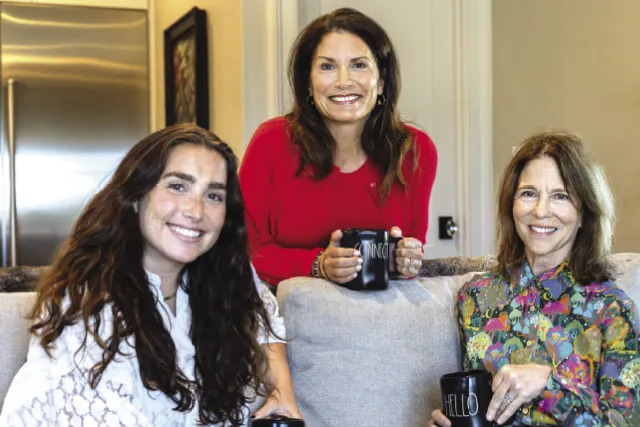
When Tyrisha Irwin sat down to write "Women Are Power Connectors," she talked with two women from the SAVOR Society. Nancy is 63. My daughter Elle is 25. Thirty-eight years between them, and on paper, not much in common. By the end of the conversation they'd landed in exactly the same place — and I haven't stopped thinking about it since.
That's the conversation that got the SAVOR Society featured in Charleston Business's SC Women in Business 2026 issue.
We'd gathered to talk about the one thing most wellness conversations skip entirely: social health.
We measure sleep. We count steps. We track protein, water, and gym days like we're filing taxes. Then we leave out the single factor the research keeps shouting about — who we're actually connected to.
And the risk isn't trivial: weak connection outpaces obesity and inactivity as a predictor of early death. So no — calling your friends isn't self-indulgent. It's preventive medicine. It just looks like an afternoon with friends.
The line that broke the room open
Somewhere in the conversation, Nancy said it: permission to refuel.
So many of us — the caregivers, the community-builders, the women everyone else leans on — carry a quiet belief that if we slow down, the whole thing collapses. That resting equals failing.
It doesn't.
Taking time for yourself isn't proof you dropped the ball; it's how you keep from dropping it later.
And the second one woman in a room admits she's refueling on purpose — setting a boundary, naming a limit — the temperature changes for everyone. Permission is contagious.
Nobody in the room performed having it all figured out. No highlight reel. And because the guard came down, something physical happened: nervous systems stopped bracing for impact. That safety isn't a soft bonus. That is the health benefit.
Where the 38 years disappeared
Elle talked about how easy it is, in her generation, to assume no one across the table could possibly get her timeline. Nancy kept offering the same quiet line: I've been where you are. For Elle, that was the light at the end of the tunnel.
Defensiveness runs on a single bad assumption — that your experience is yours alone. Put women from different decades in the same room and the stereotypes don't survive contact. Turns out everyone's improvising, and everyone wants the same two things: safety and belonging.
Where this lives in the SAVOR Method
The SAVOR Method has five pieces:

S — Sustenance
our relationship with food and nourishment

A — Activity
exercise and movement

V — Variables
medical, hormonal, and genetic influences

O — Organization
stress, habits, and the realities of life

R — Refuelment
meaning, purpose, relationships, and positive emotions
Social health lives in that last R — the one everyone skips.
Refueling through connection is the bridge under everything those women named in that conversation: boundaries, permission, understanding across decades, and the plain relief of not doing the hard things alone.
Who would you actually call if you needed to refuel this week?
If you don't love your answer, that's not a character flaw. It's data. It might just mean it's time to build the table.
Want help building yours?
Intentional connection — and the rest of the SAVOR Method — is exactly what I coach women through.
If this is the year you stop running on empty, let's talk. Explore coaching with me here.
With warmth,
Julie
Answers to Frequently Asked Questions
What is social health?
The quality and structure of your relationships and how much they nourish, support, and sustain you — a core pillar of well-being alongside physical, mental, and emotional health.
Is loneliness really a health risk?
Yes. The 2023 U.S. Surgeon General's advisory put the mortality risk of weak social connection on par with smoking up to 15 cigarettes a day, with links to heart disease, stroke, dementia, depression, and anxiety.
Why is social connection important for your health?
Strong relationships lower the body's stress load, support the nervous system, and are tied to longer life and lower rates of chronic disease — which is why researchers now treat connection as preventive health, not a lifestyle perk.
Is it selfish to rest and refuel?
No. Refueling is what makes it possible to keep showing up for others. Rest and boundaries protect the nervous system and sustain long-term health.
What is the SAVOR Method?
A whole-person health framework with five elements — Sustenance, Activity, Variables, Organization, and Refuelment. Social health falls under Refuelment.
How can I improve my social health?
Build in regular, intentional connection that fits how you're wired — consistent check-ins, small-group gatherings, or community spaces — rather than forcing a pace that drains you. Start by asking who you'd actually call when you need to refuel.